



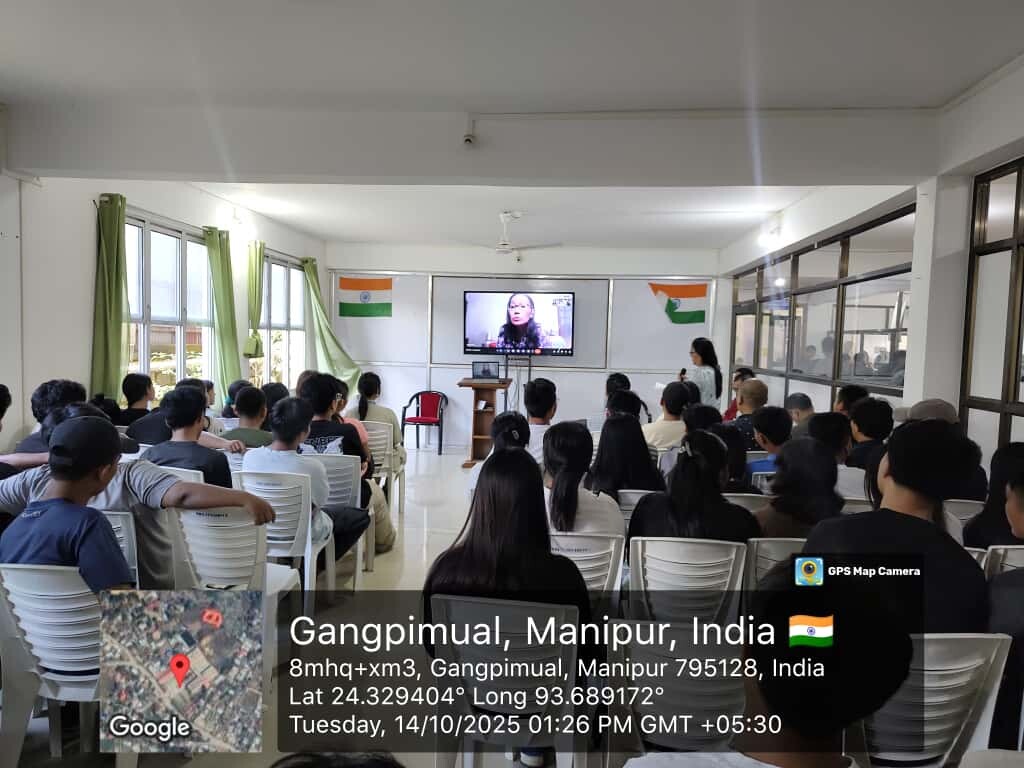
The Department of History, Rayburn College, Churachandpur, Manipur, organised a lecture series on the theme “Understanding the History of North-East Frontier India” from 14-30th October 2025. The series aimed to explore the diverse historical trajectories, cultural interactions, and political developments and people’s participation for India’s independence from India’s North-East frontier region, a crucial yet often underrepresented part of the Indian historical narrative
The main idea of organising the lecture series was to make students and scholars, not only of History Department but as a whole, of all the students and scholars in Rayburn College to understand and have broader knowledge about the history of their own region.
Resource Persons and Themes:
The series featured several eminent historians and scholars specializing in North-East Indian studies. The main lectures included:
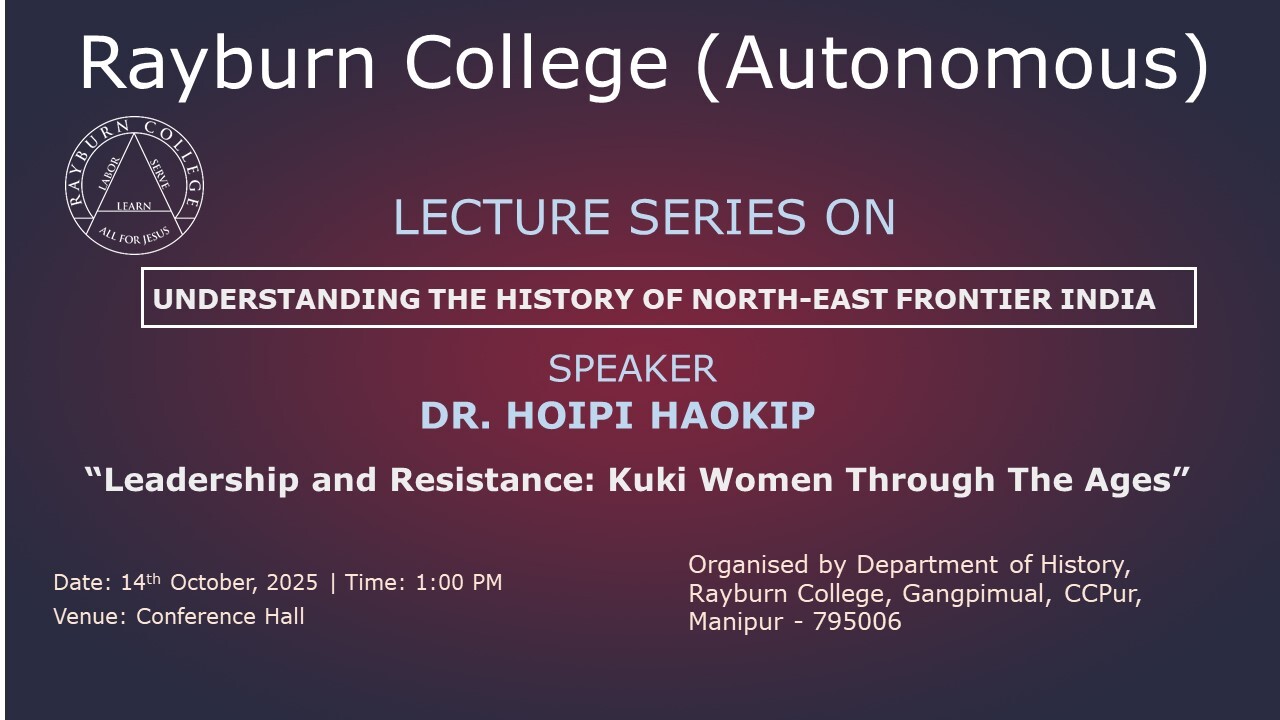
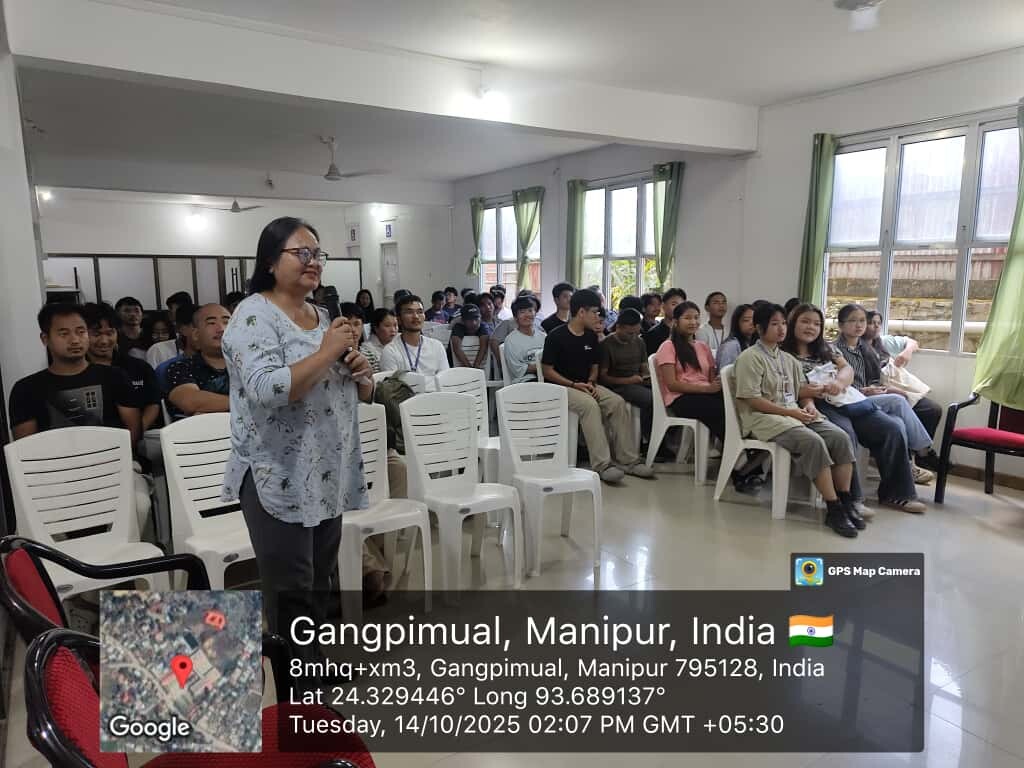
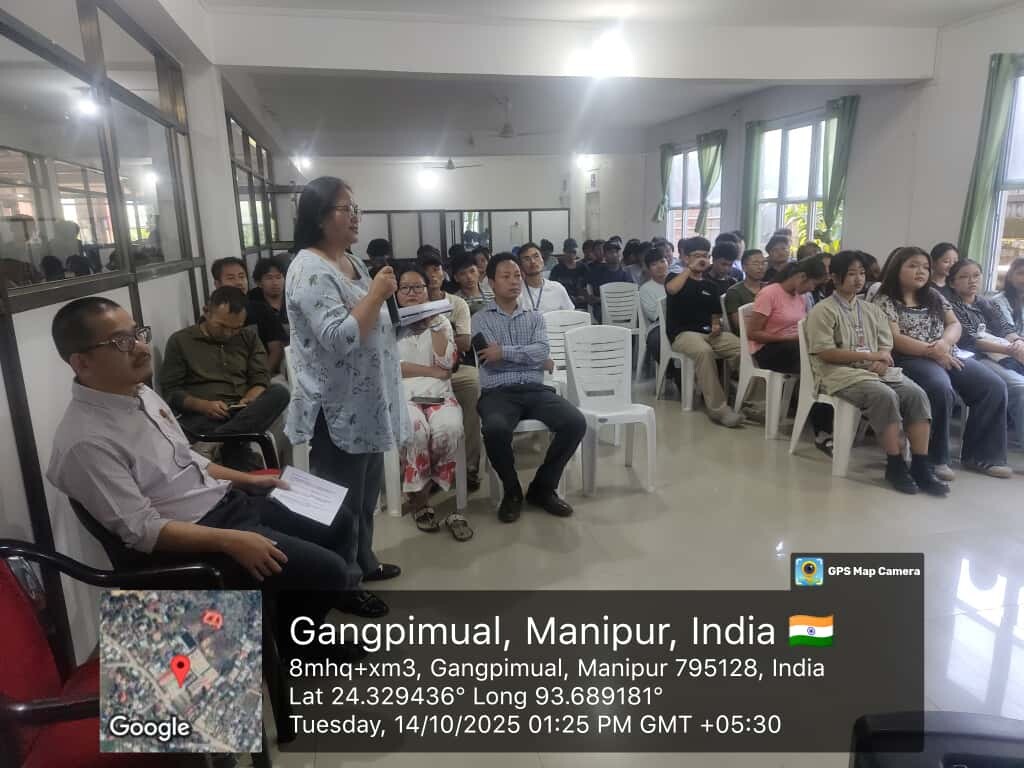
Lecture one (14th Oct. 2025): “Leadership and Resistance: Kuki Women Through the Ages”
Speaker: Dr. Hoipi Haokip
Asstt. Prof. Dept. of History
Presidency College, Motbung, Manipur
Highlights: This work explores the enduring strength, resilience, and leadership of Kuki women across generations, focusing on their pivotal roles in community survival, cultural preservation, and political resistance. It indicates women’s participation in resistance movements during the colonial era for India’s independence. Challenges patriarchal structures by framing Kuki women’s roles not as passive supporters, but as active shapers of history and community resilience.
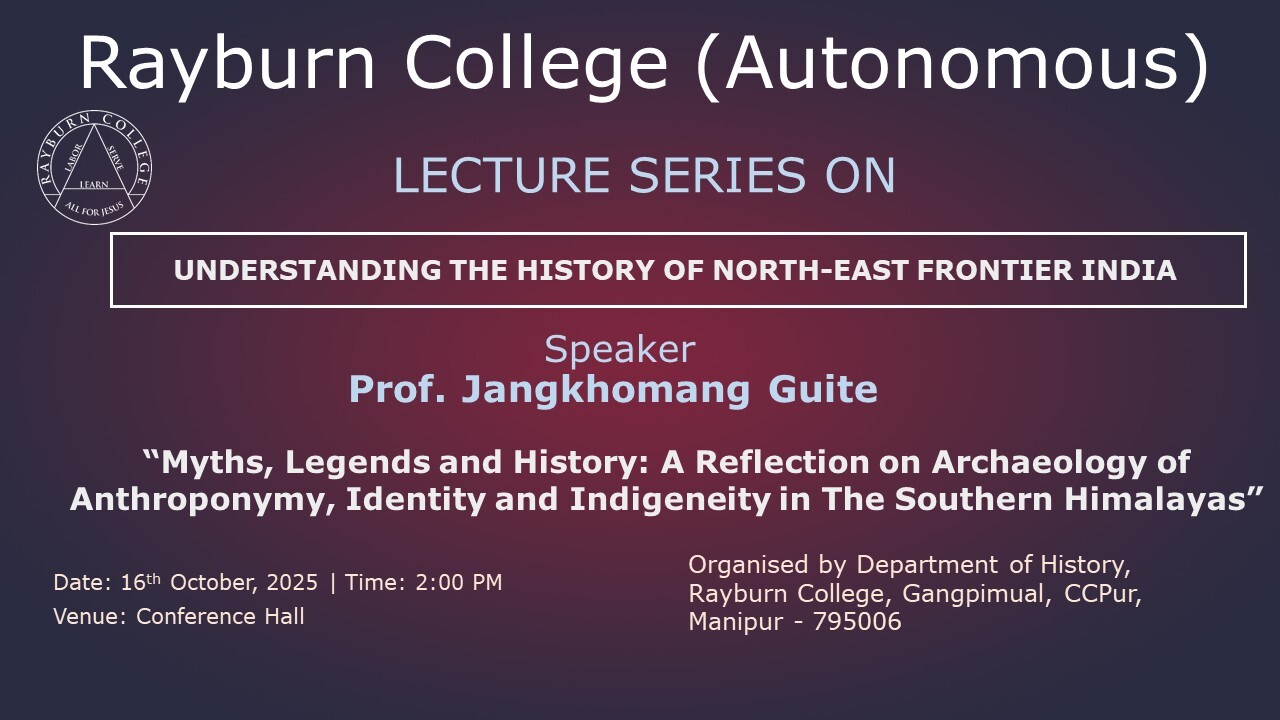
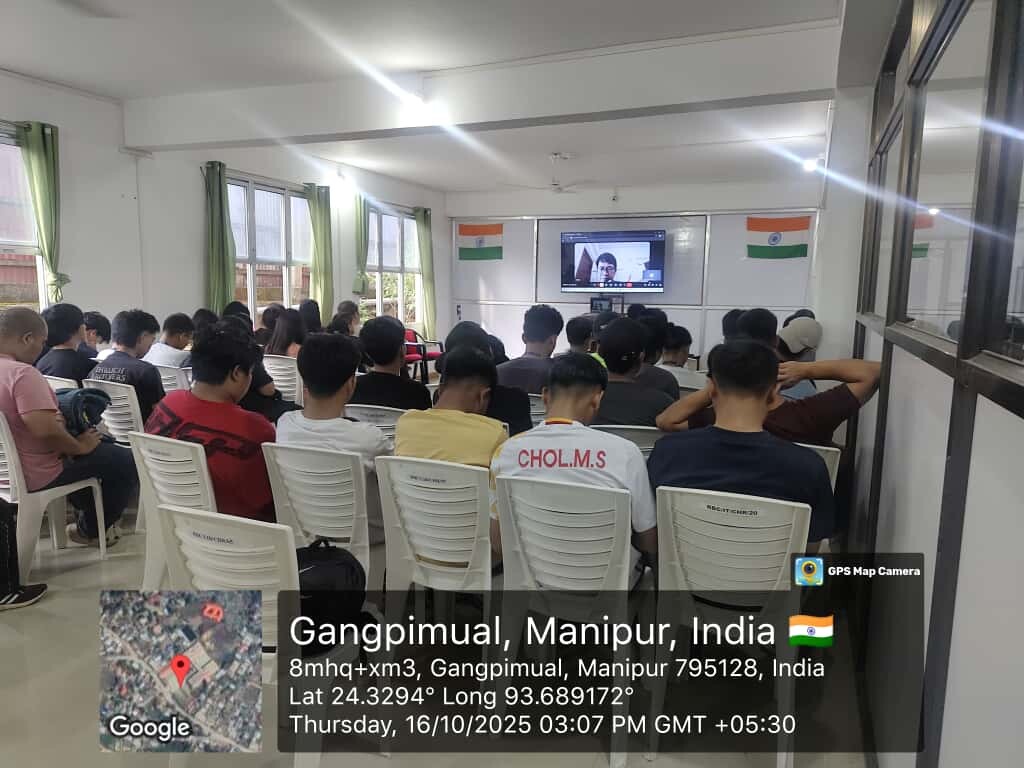
Lecture Two (16th Oct. 2025): “Myths, Legends and History: A Reflection on Archaeology of Anthroponymy, Identity and Indigeneity in The Southern Himalayas”
Speaker: Prof. Jangkhomang Guite
Prof., Dept. of History and Archaeology
Nagaland University, Nagaland
Highlights: The study of anthroponymy (personal names, clan names, toponyms) in the Himalayan context reveals how naming practices encode myths, legends, genealogies, migrations and relationships to land. Names often carry mythic origin-stories (for example clan narratives that link names to ancestral figures, sacred geographies).
Myths and legends perform a kind of “memory-archive” for Himalayan communities: stories of ancestral settlement, of shifting landscapes, of sacred mountains, of founding lineages. The speaker relates the topic with Chin-Kuki-Mizo-Zomi, etc.
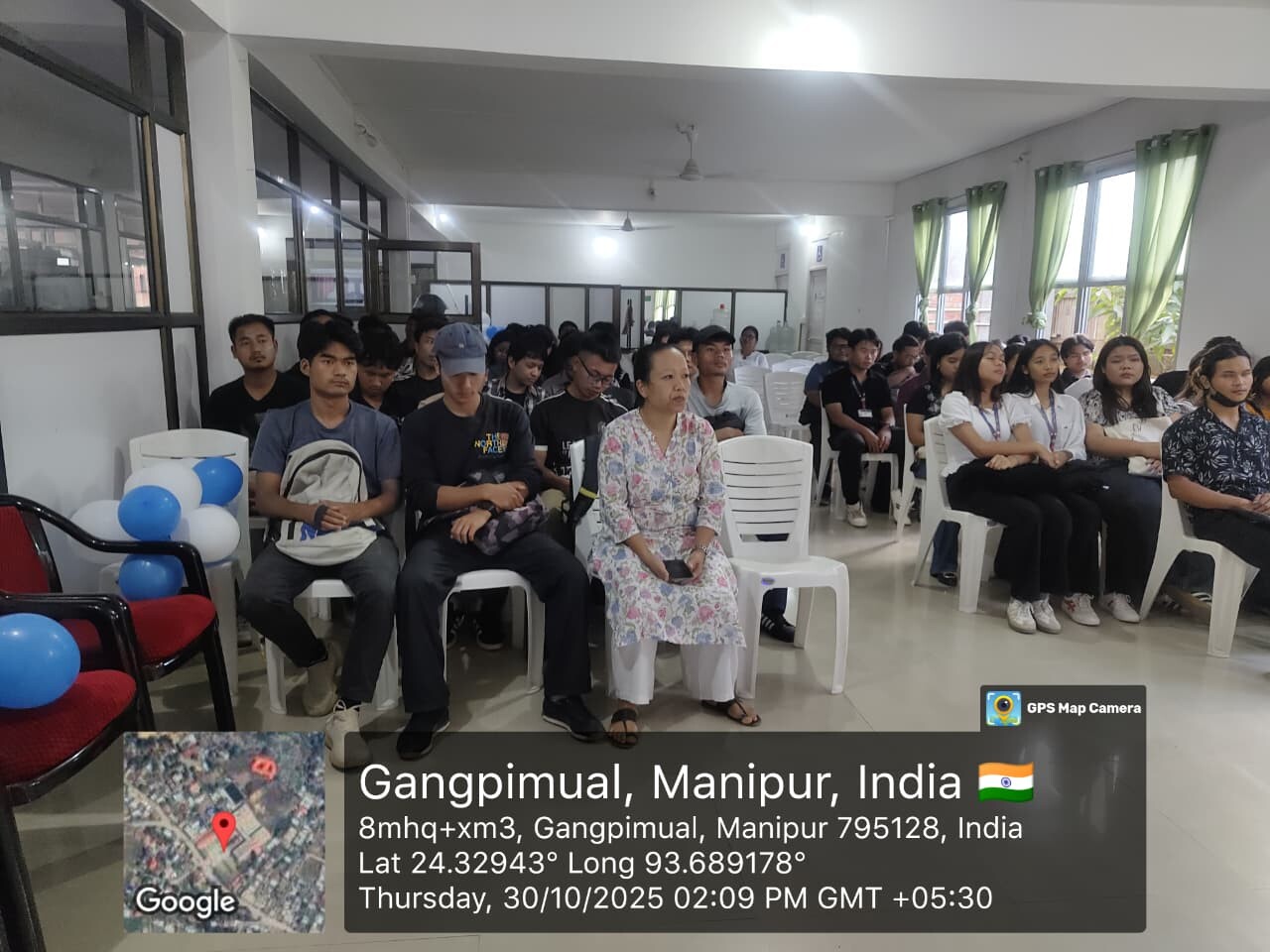
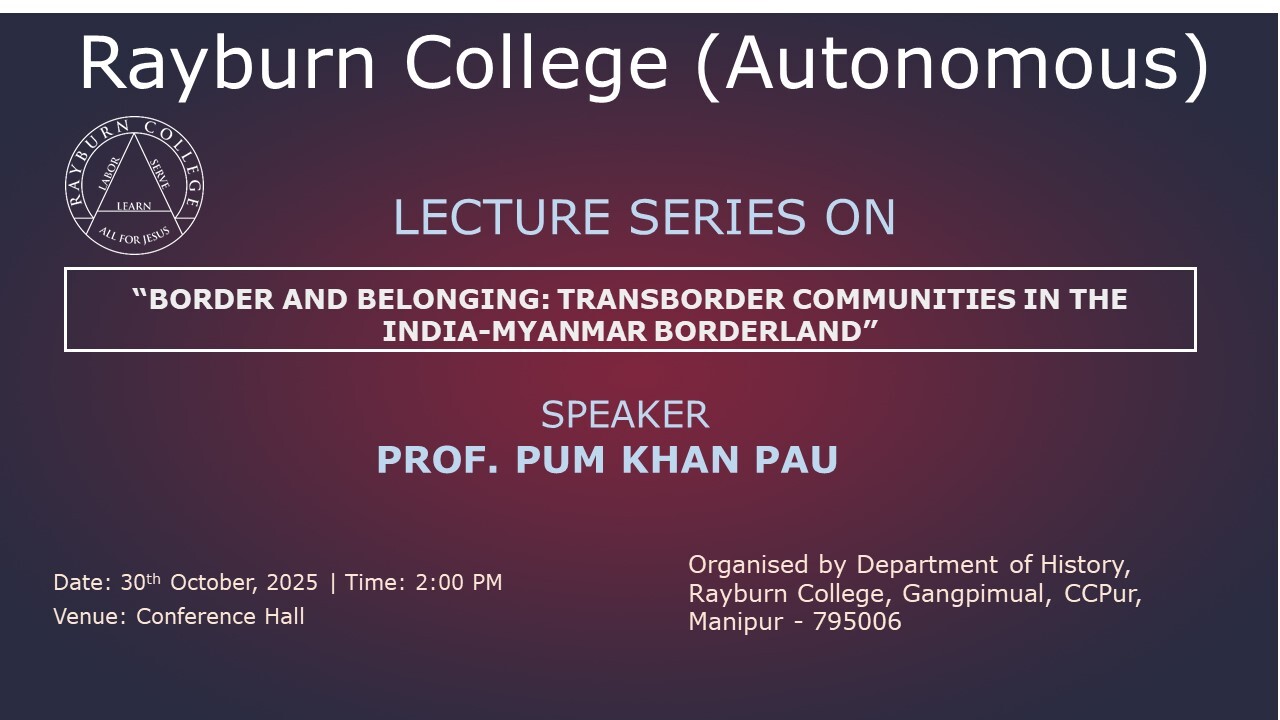
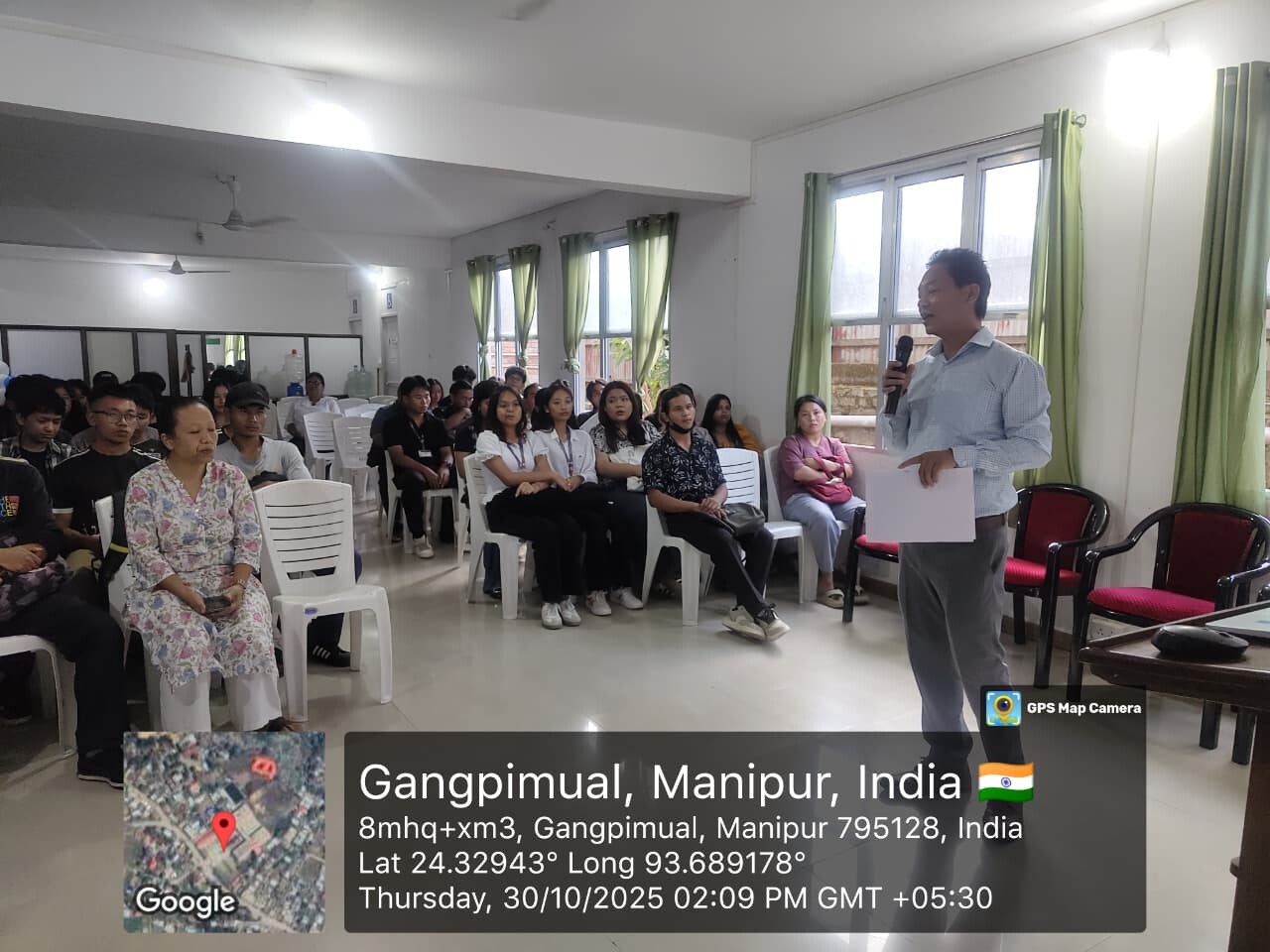
Lecture Three (30th Oct. 2025): “Border and Belonging: Transborder Communities in the India-Myanmar Borderland”
Speaker: Prof. Pum Khan Pau
Prof., Dept. of History and Archaeology
Nagaland University, Nagaland
Highlights: The speaker defined the meaning of border/borderland and boundary given by different scholars in different geographical regions. He relates the theme with the Chin-Kuki-Mizo groups of people in Northeast frontier India. He stresses that despite the existence of international boundary, many tribal groups (e.g., Nagas, Kukis/Chins, etc) inhabit both sides of the India–Myanmar boundary, but as a result of colonial and post-colonial border drawing their lands and identities straddle two states.
Participation: The event witnessed enthusiastic participation from undergraduate and postgraduate students, and faculty members from history department. Interactive question-and-answer sessions followed each lecture, fostering vibrant discussions and critical engagement.
Conclusion: The lecture series successfully fulfilled its goal of broadening participants’ understanding of the North-East frontier as a region rich in historical complexity and cultural diversity. It enhanced the students understanding of the North-East’s historical significance in the broader Indian context. It underscored the importance of integrating regional histories into mainstream historical discourse and inspired young researchers to engage with frontier studies from multidisciplinary perspectives.

Rayburn College
BSF Road, Gangpimual
Lamka, Churachandpur
Manipur - 795006, India